
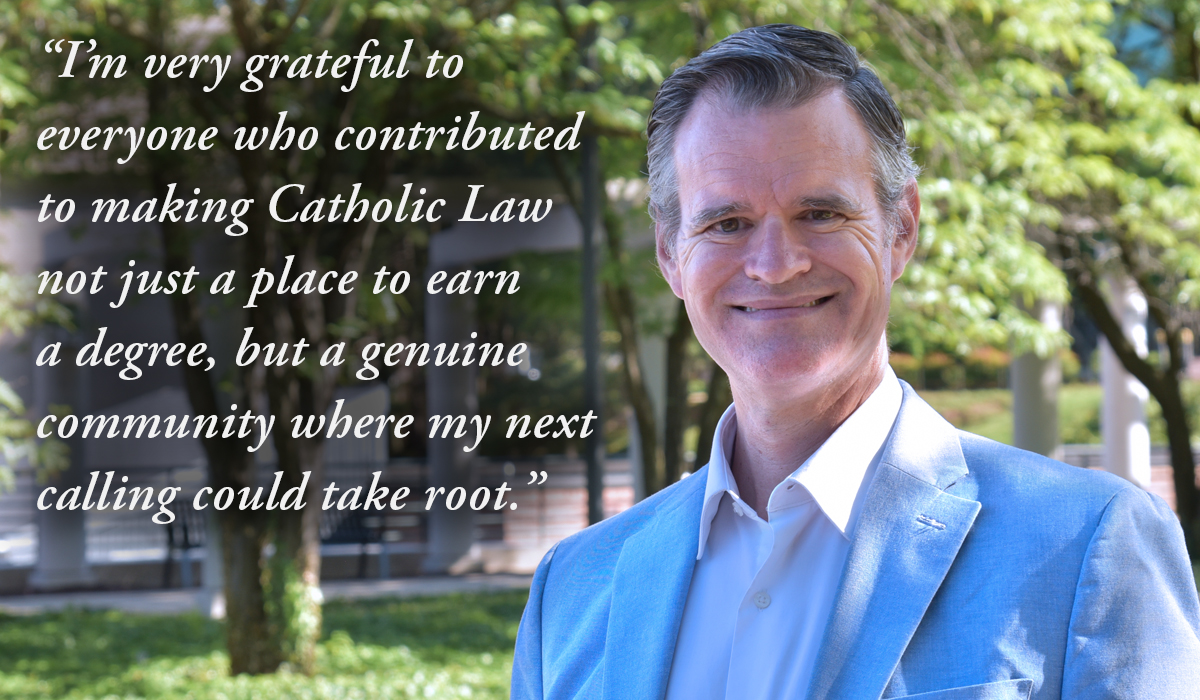
After 20 years in performance auditing, Chris Horton, class of 2026, had reached major professional milestones. He had become a chief audit executive and served as president of his national professional association—goals he had long set for himself. With those achievements behind him, he began thinking seriously about what he wanted the next chapter of his working life to look like.
Law school, once a path he had considered after college, returned to the forefront. Instead of pursuing it at the time, he had chosen to earn a Ph.D. But in 2021, he revisited the idea with the people closest to him. The turning point came at home. As Horton reflected, “I talked to my wife and kids about law school and they were supportive of my interest in taking this path. That was the essential first step back in 2021. Without their support, I would never have even taken the LSAT.”
That decision led him to Catholic Law, where his sense of vocation and his professional goals came into clearer focus. “As a person of deep faith, I wanted to use my legal skills to help other people and improve their lives in some way,” Horton explained. He was drawn to the school’s mission, noting, “In that light, practicing law is a type of ministry, which I find very attractive.” As he explored his options, Horton found that “the more I looked at my options, the more I saw Catholic Law as a place where I could more fully explore the interaction of faith and legal practice,” which prepared him for a career anchored in both service and meaningful contribution.
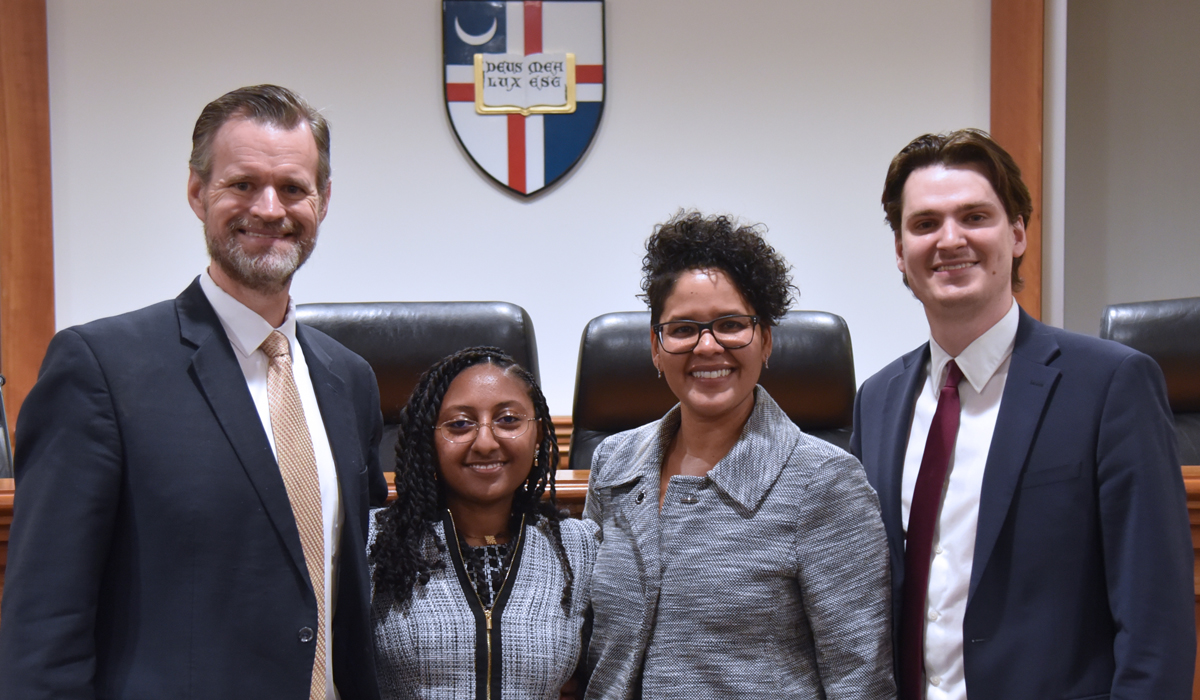 Because Horton balanced full-time work, family life, and law school in the evening division, traditional externships were not a practical option. “Externships weren’t really feasible for me as I managed work, school, and my family commitments,” Horton noted, “but I still wanted to make the most of every practical opportunity Catholic Law had to offer.” He embraced hands-on experiences wherever possible, sharing, “I was able to participate in the Moot Court Association in my 2E year, where I served as a brief writer and a competing member at the Nell Hennessey Employee Benefits Moot Court Competition. That experience sharpened my legal writing and advocacy skills in ways I couldn’t have predicted.”
Horton also described his involvement in the Religious Liberty Clinic: “Working under Professor Eric Treene, I helped draft an amicus brief in support of a state employee who lost her job offer by refusing to sign an unmodified loyalty oath. Contributing to a case like that was both humbling and inspiring—it showed me the real-world impact of advocacy.” Reflecting on his academic work, Horton added, “The estate planning practicum I completed in fall 2025, along with the solo practice management course, gave me a valuable window into the daily realities of law firm work and the personal dimensions of legal practice.”
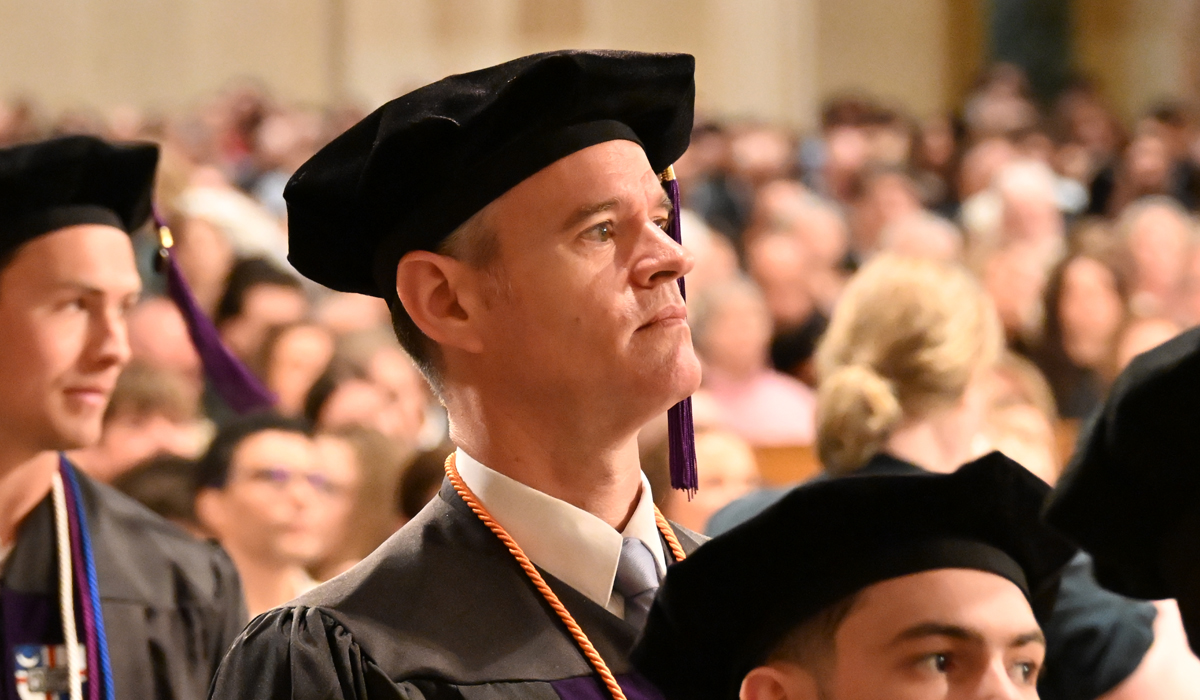
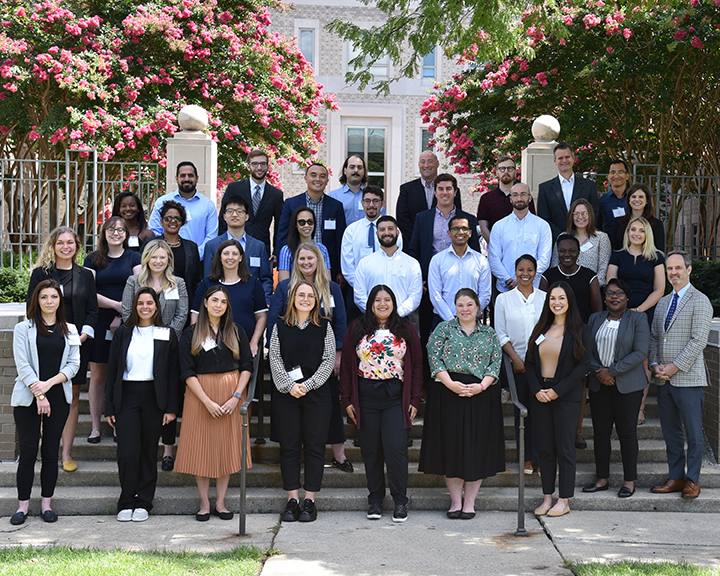 For Horton, some of the most memorable parts of law school centered on the people he met along the way. “The evening division cohort that began in fall 2022 was large and diverse, filled with smart, talented, and character-filled colleagues,” he shared. “It’s been thrilling to see so many of us still here together for graduation.” Horton found the connections he formed invaluable, noting, “Building relationships in person, despite the demands of evening classes, was one of the greatest investments I could have made for my professional future.”
He also highlights his academic experiences, saying, “The most fun class I took was sports law with Professor Bart Lambergman. With how quickly sports law and business are changing, I feel much better prepared to engage critically with these developments as both a student and a fan.” These connections and opportunities, Horton emphasized, are at the very core of his enduring legal network.
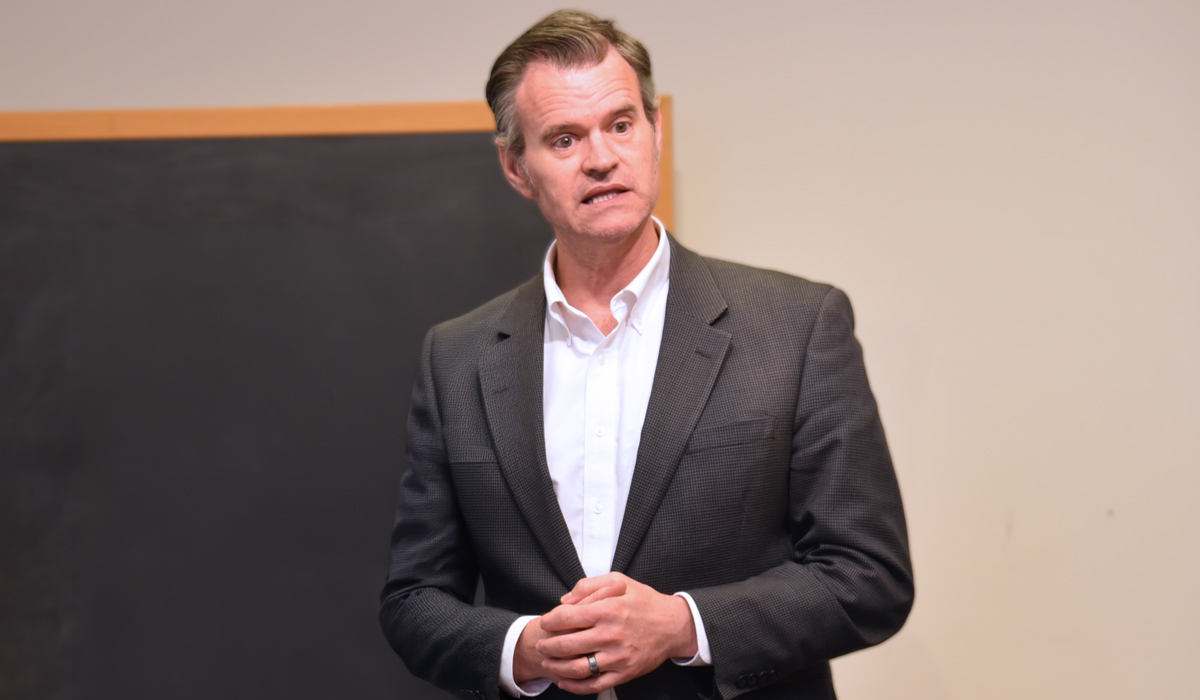 “Immediately after graduation, my top priority will be preparing for the Virginia Bar Exam,” Horton explained. “Once I secure my Virginia license, my plan is to begin providing basic estate planning services for people in the Winchester area, all while continuing my full-time non-legal career.” He also shared his ambitions for continued growth: “In the future, I hope to obtain licensure in West Virginia as well, since that jurisdiction is so close to my home. Expanding my ability to serve clients in both states is a goal I’m eager to pursue.”
Reflecting on his journey, Horton is unequivocal: “The not-so-secret sauce of Catholic Law is the community.” He elaborated, “I’ve mentioned the students, but our professors are truly outstanding and caring teachers. For as many legal superstars as we have at Catholic, they are also easy to talk to after class and in one-on-one situations.”
 Horton says the support network extends beyond faculty. “The administrators are equally caring and supportive. Dean Schept, Dean McDermott, and Dean Dietrich are just some examples of administrators who have had a deep and enduring impact on my law school experience.” For Horton, these relationships provided lasting value: “I’m very grateful to everyone who contributed to making Catholic Law not just a place to earn a degree, but a genuine community where my next calling could take root.”